

The complete guide
Dinosaur Egg Dig Kits, A Buyer's Guide For Parents And Teachers
The problem with most dinosaur toys
Buy a child a plastic dinosaur and you get about four minutes of interest. The figure joins the pile under the bed and that is usually the end of it. The trouble is not the dinosaur. It is that there was no story attached to getting it.
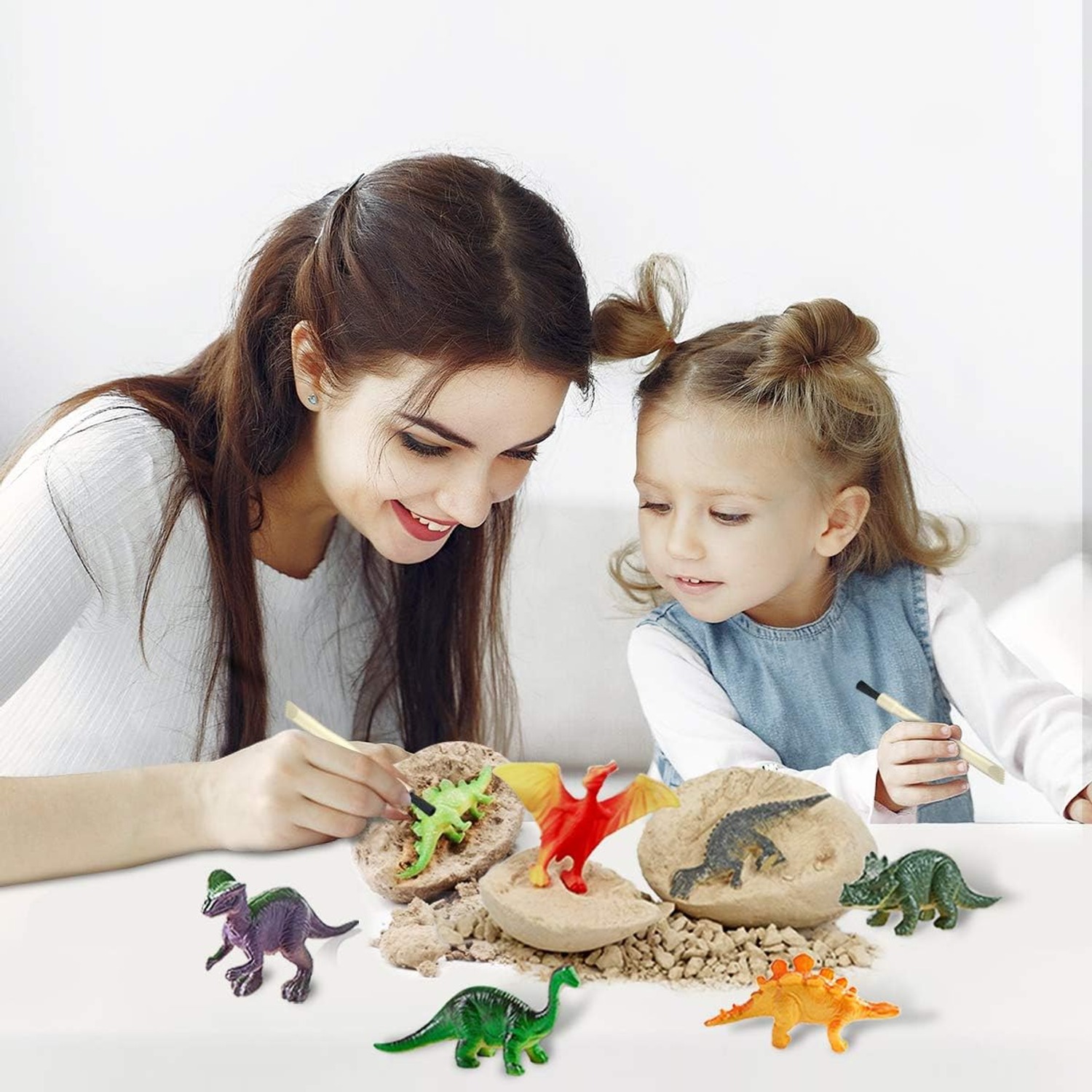
A dinosaur egg dig kit fixes that by putting work between the child and the prize. The egg arrives sealed and grey. Nobody knows what is inside. The only way to find out is to chip, scrape and brush for twenty minutes, and by the time the figure comes free, the child has an actual connection to it. They dug it out. That dinosaur gets a name, a spot on the shelf and a place in the retelling at dinner.
This particular set gives you twelve of those moments instead of one, which changes what you can do with it.
How the digging actually works
The process is simple enough that a six year old can follow it after one demonstration.
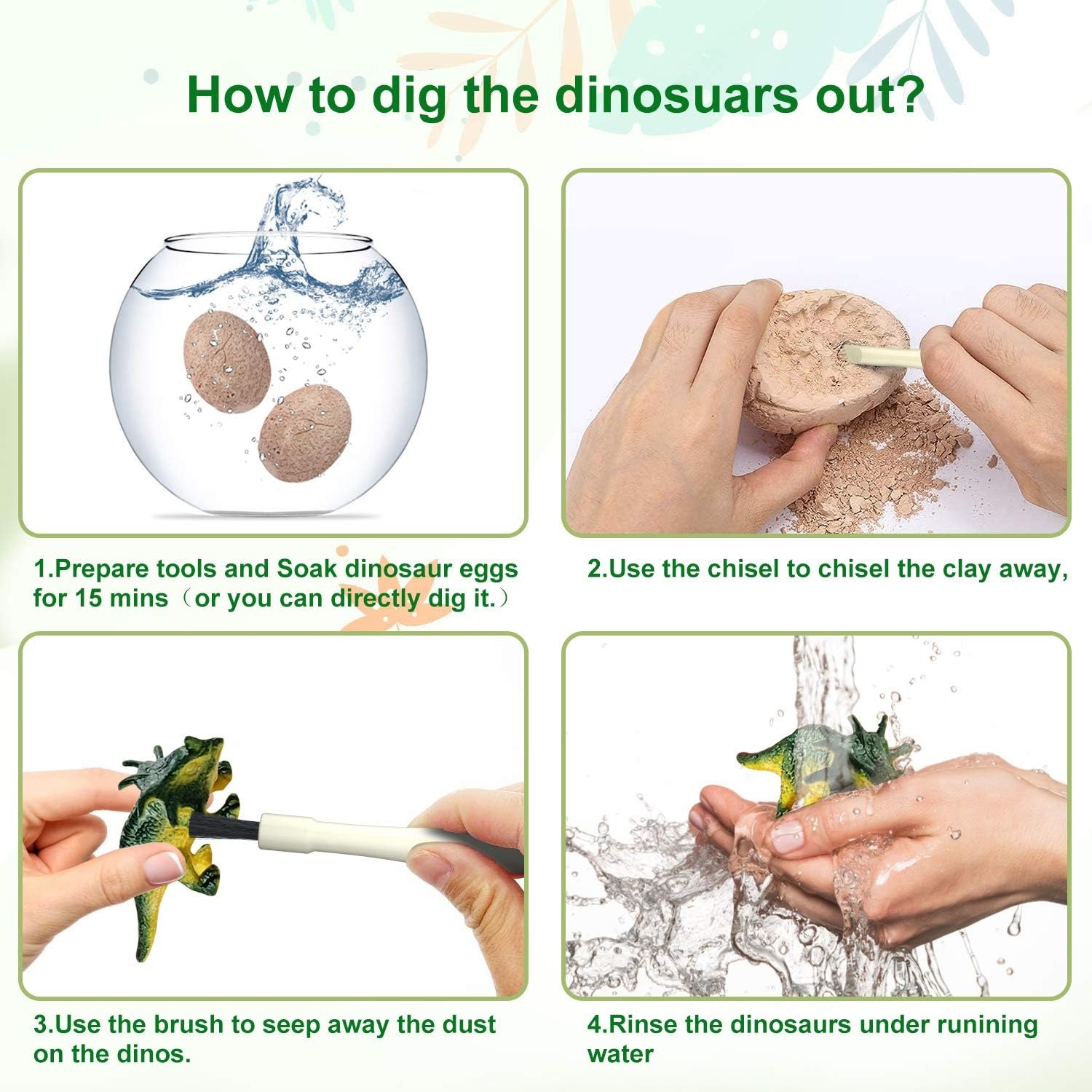
Start by soaking an egg in water. A few minutes in a bowl at room temperature is plenty. This softens the outer layer so the tool bites in instead of skating across the surface. Skipping the soak is the single most common reason a dig turns frustrating, so it is worth doing properly.
Next, set the egg on a tray, a baking dish, a sheet of newspaper or an outdoor step. Something with a lip is ideal because chips do fly. Then the child works around the egg with the supplied tool, taking small bites rather than hammering at one spot. Material comes away as dust and little chunks. After a while a shape emerges, usually a tail or a limb, and that is when the pace picks up considerably.
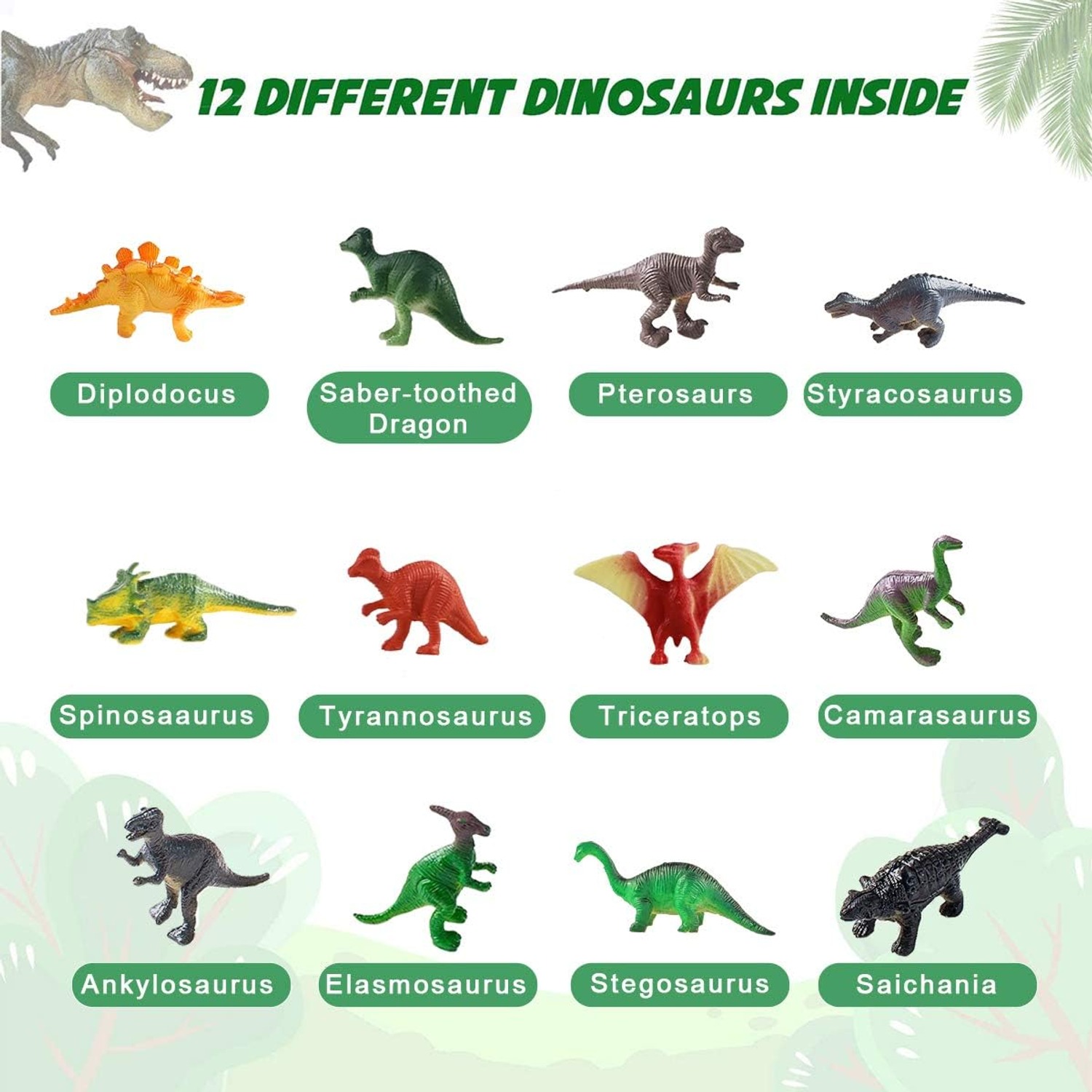
Once the figure is free, a rinse under cool water clears the dust out of the fine detail. Then comes the matching game with the learning cards. Each card lines up with one of the twelve dinosaurs, so the child can identify what they found and pick up a few facts while they are still interested.
Who this set suits
The manufacturer recommends ages 6 to 8. In practice that range reflects two things, the fine motor control needed to handle the tool well and the patience needed to keep going when progress feels slow.
Children a bit younger can still enjoy it with an adult sitting alongside, holding the egg steady and taking a turn when arms get tired. Older children often finish faster and move straight to collecting and arranging the figures. A few will read every card twice.
It works especially well for one specific type of child, the one who likes making things happen with their hands. If a kid already enjoys sandpits, model kits, baking or taking apart old remotes, a fossil dig toy lands well. If they only want fast feedback and flashing lights, this may not hold them, and that is worth knowing before you buy.
Why twelve eggs matters
A single-egg dig kit is a one-afternoon toy. Twelve is a different proposition entirely.
The obvious use is parties. Each egg comes with its own tool and its own card, so twelve guests can dig simultaneously at one table. Nobody lines for a shared chisel, which is where most group craft activities fall apart. Hand out the eggs, lay down newspaper, and you have a structured activity that runs itself for half an hour. It is one of the most practical dinosaur birthday party activity options around.
The second use is rationing. Keep the box in a cupboard and bring out one egg when you need it. A sick day, a long wet weekend, a reward for finishing a reading book. Twelve eggs spread across a few months stretches the value a long way.
Third, it splits into gifts. Drop one egg, one tool and one card into a paper bag and you have a complete small present. Teachers use them as end of term rewards. Parents use them as dinosaur party bag fillers. Some families hide them around the garden as a non-chocolate egg hunt.
Getting the setup right
A little preparation makes the difference between a happy dig and a grumpy one.
Choose the surface first. A metal baking tray is excellent because the raised edge catches debris and you can tip the whole lot into a bin afterwards. A large plastic storage tub works just as well, especially for younger children who swing the tool enthusiastically. Outdoors on a patio is the easiest option of all if the weather allows.
Give the egg a proper soak. Three to five minutes is the usual guidance, and a slightly longer soak does no harm. If the dig slows down halfway through, dip the egg again.
Set expectations about time. Telling a child that this will take twenty minutes and that is normal prevents the early disappointment when the first few scrapes barely make a dent. Kids handle slow progress much better when they were warned about it.
Keep a soft brush nearby. An old toothbrush clears away dust so the child can see what they have uncovered, which is motivating when they are halfway through.
Care and keeping the figures
Once the dinosaurs are out, they need very little. Rinse them in cool water, let them air dry, and they are ready for display or play. The plastic figures stand up to normal handling.
The tools wipe clean and are worth keeping together with the learning cards in a zip bag or a small box. Children lose cards faster than they lose figures, and the cards are what make the set educational rather than just a novelty.
Unopened eggs want somewhere dry and stable. A cupboard shelf is fine. Avoid damp places like a bathroom or an uninsulated garage, since moisture can start softening the shell before you want it to.
Sweep up the debris promptly. It is fine dust and small grit, and it has a talent for ending up in socks.
What this set includes
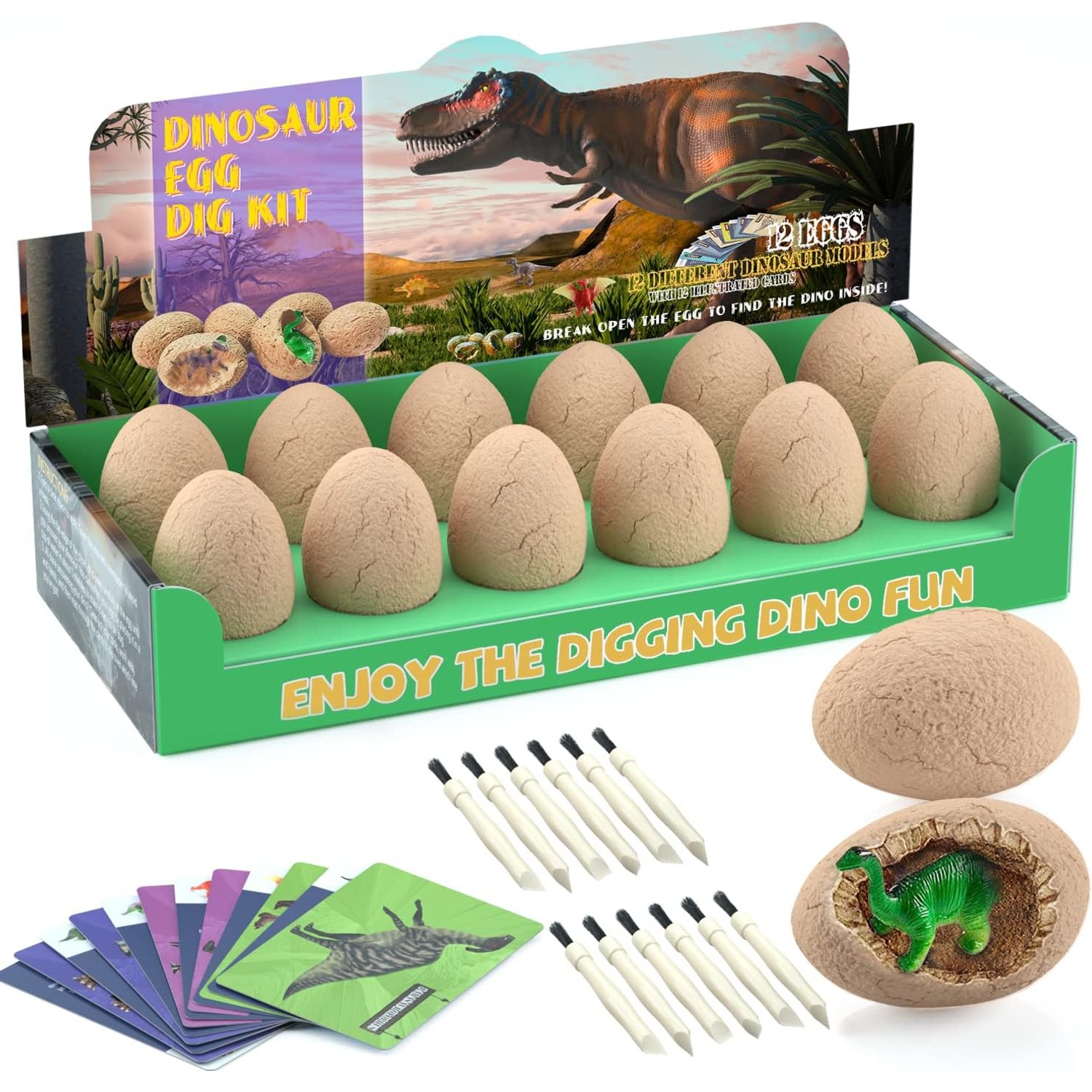
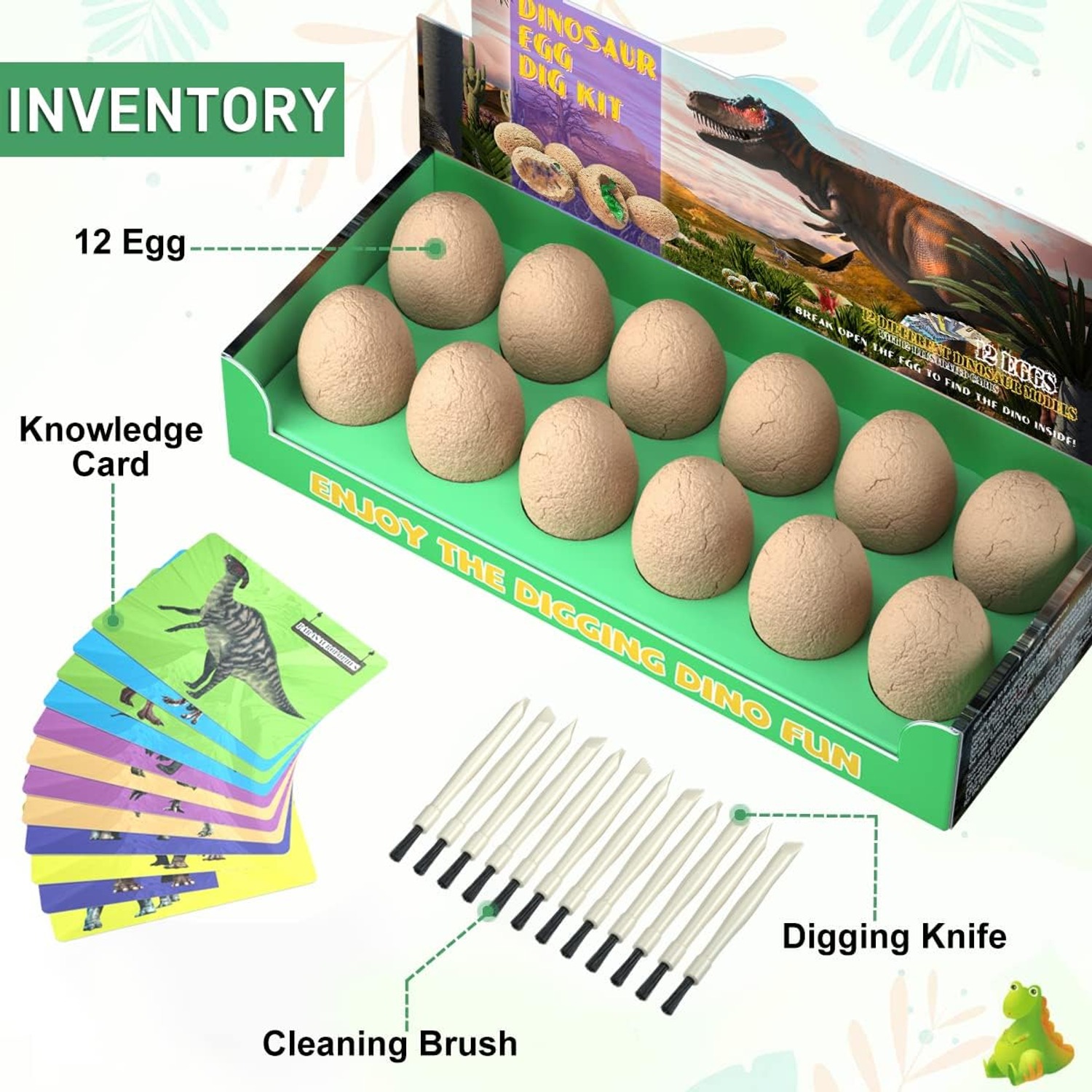
The pack contains twelve dinosaur eggs, twelve digging tools and twelve colourful learning cards, with one different dinosaur figure inside each egg. Material type is listed as plastic. The colour is described as twelve grey dinosaur eggs and the theme is dinosaurs and dinosaur eggs.
It is designed for one player per egg, runs entirely manually, and requires no batteries of any kind. The listed educational objectives are observation skills, concentration, hand-eye coordination and dinosaurs.
The packed set weighs 0.76 kg and measures 14.2 x 5.41 x 33.4 cm, which makes it straightforward to post or pack into a suitcase. Country of origin is China. The brand is Bigear.
The short version
A dig kit sells a feeling, not a figure. The fun lives in the twenty minutes of chipping and the moment a claw appears out of grey dust. Twelve eggs mean that feeling repeats twelve times, which is why this set works equally well as a single gift, a party activity and a cupboard reserve for difficult weather.
Get the soak right, work over a tray, and expect dust. In exchange you get a quiet, focused child, twelve dinosaurs that mean something, and a stack of cards they will actually read. For ages 6 to 8, that is a good trade.