
The complete guide
Choosing a Bug Figure Set, A Practical Buyer's Guide
The problem with most bug toys
Walk down the toy aisle looking for insects and you will find two extremes. On one side, cartoon bugs with googly eyes and colours that exist nowhere in nature. On the other, resin collector models that cost more than a book and come with a warning not to let children touch them. Neither is much use when a four year old has just found a beetle in the garden and wants to know what it is.
What most families actually want sits in between. Figures that look enough like the real thing to be useful, made cheaply enough that nobody panics when one goes missing in the sandpit. That is the gap this sixteen piece set fills.
What you actually get
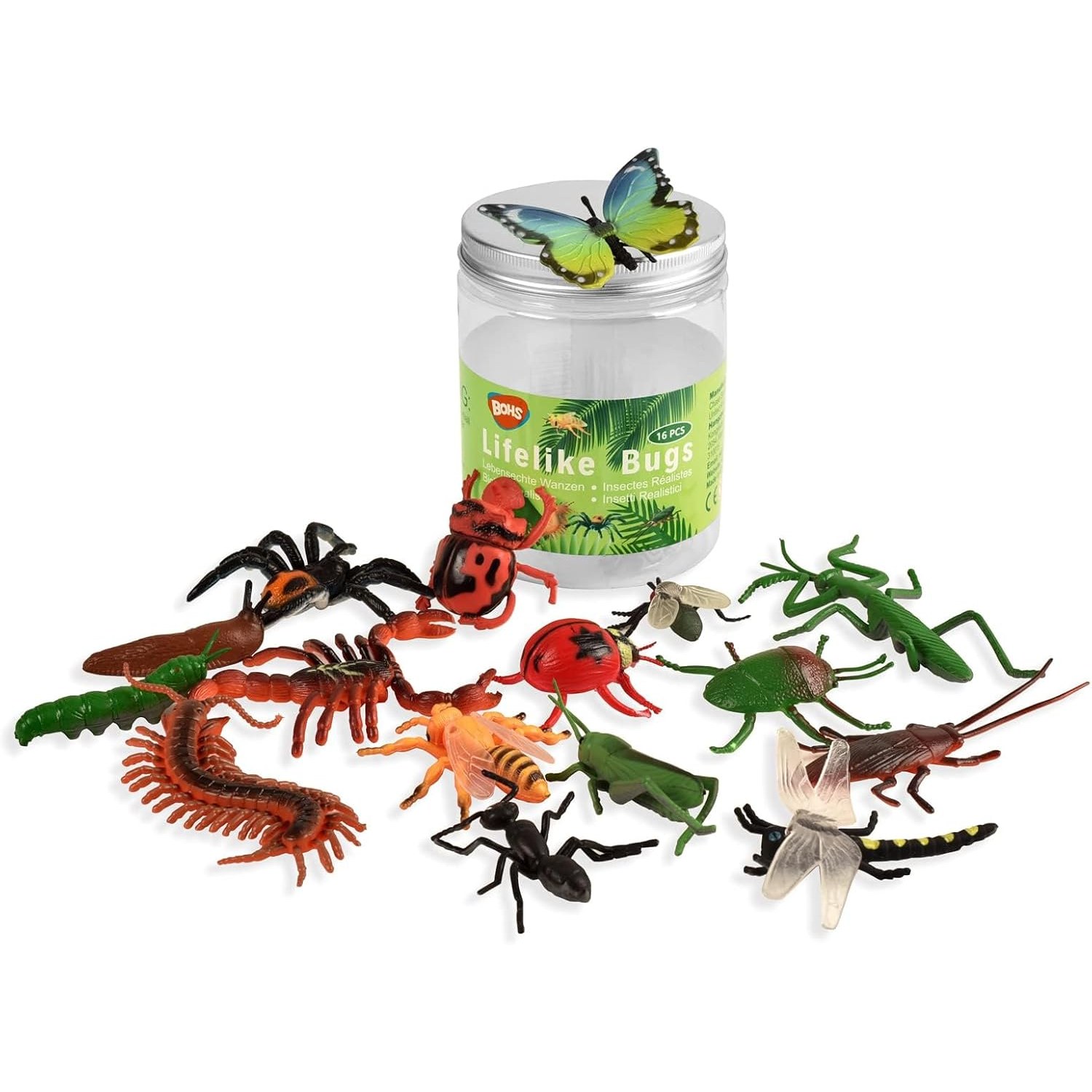
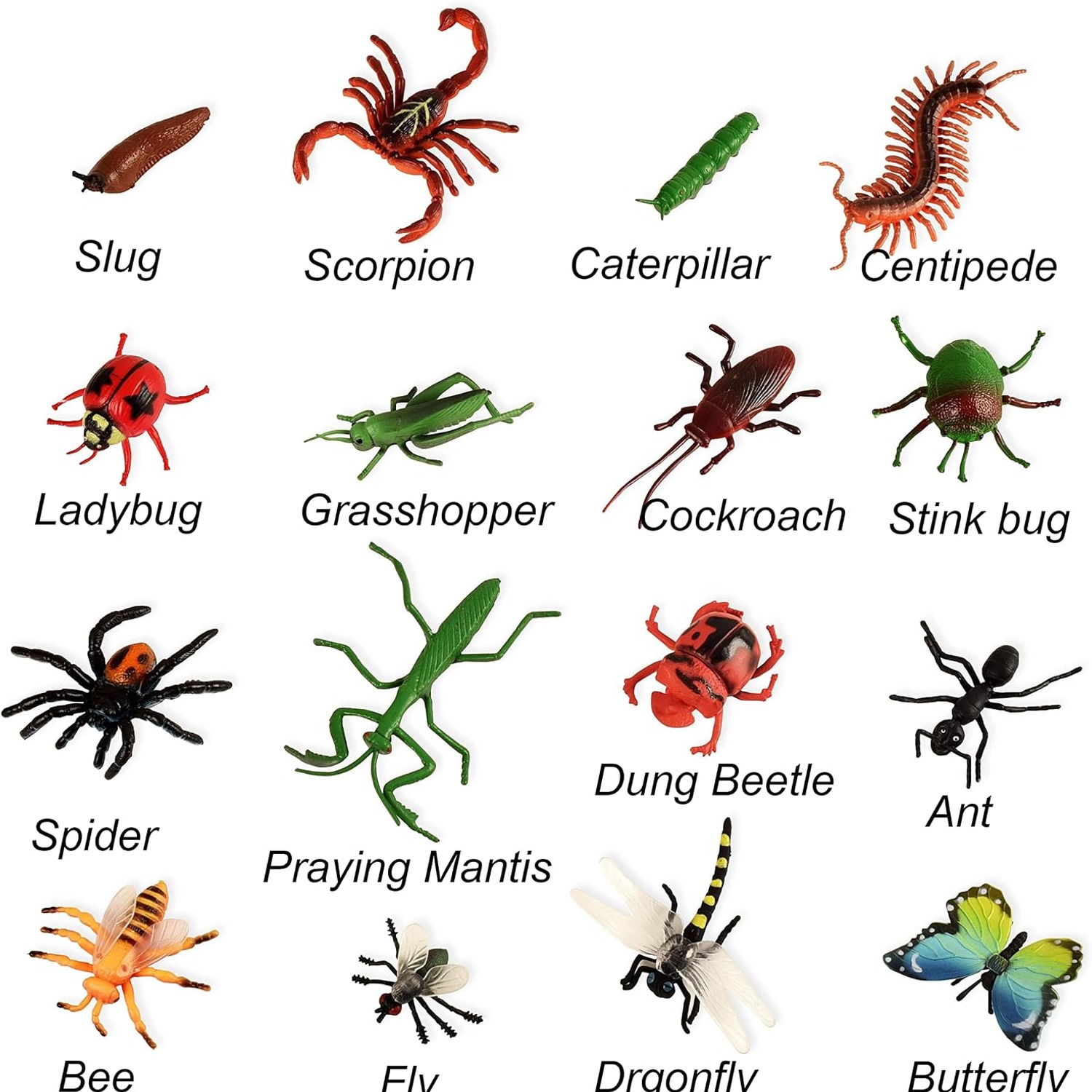
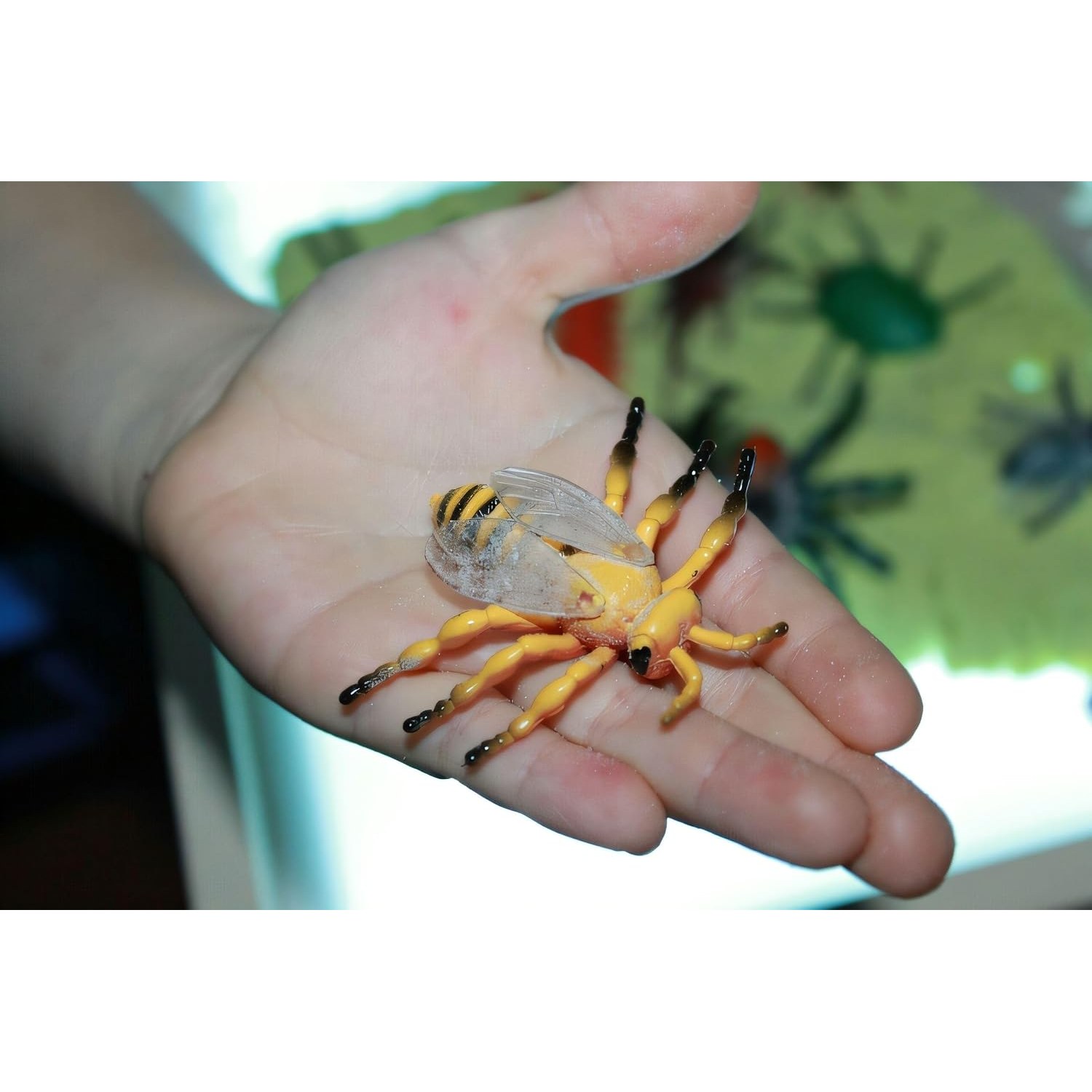
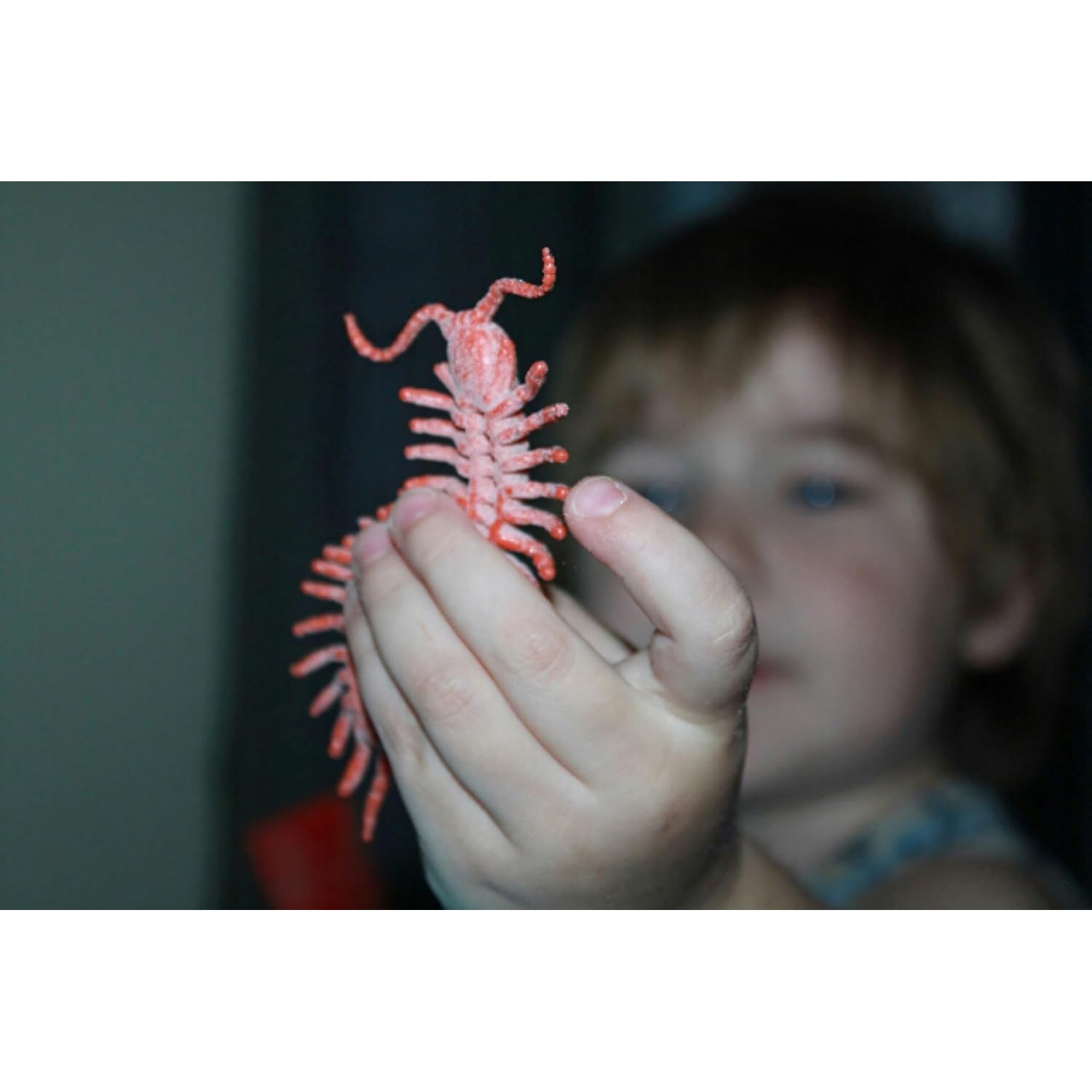
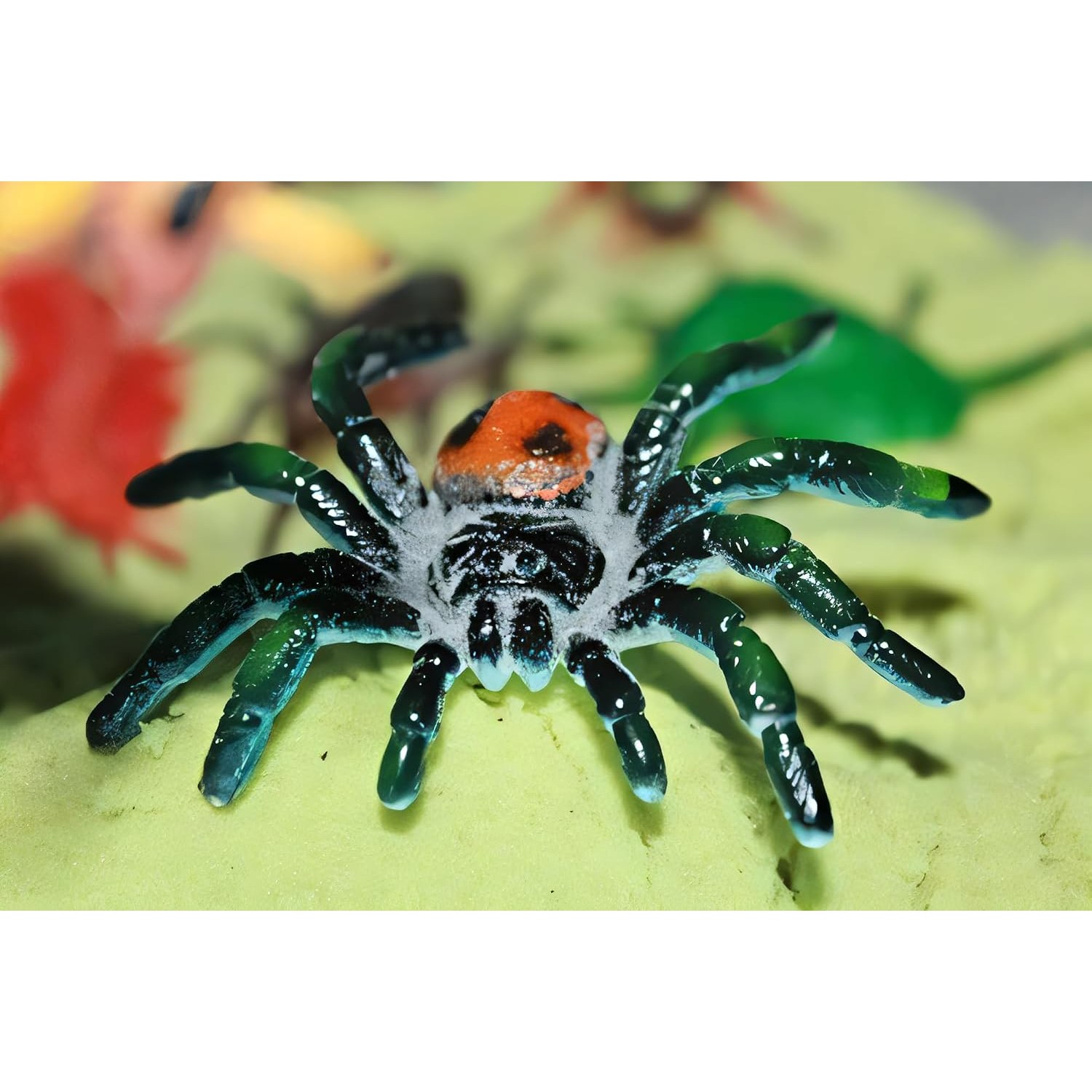
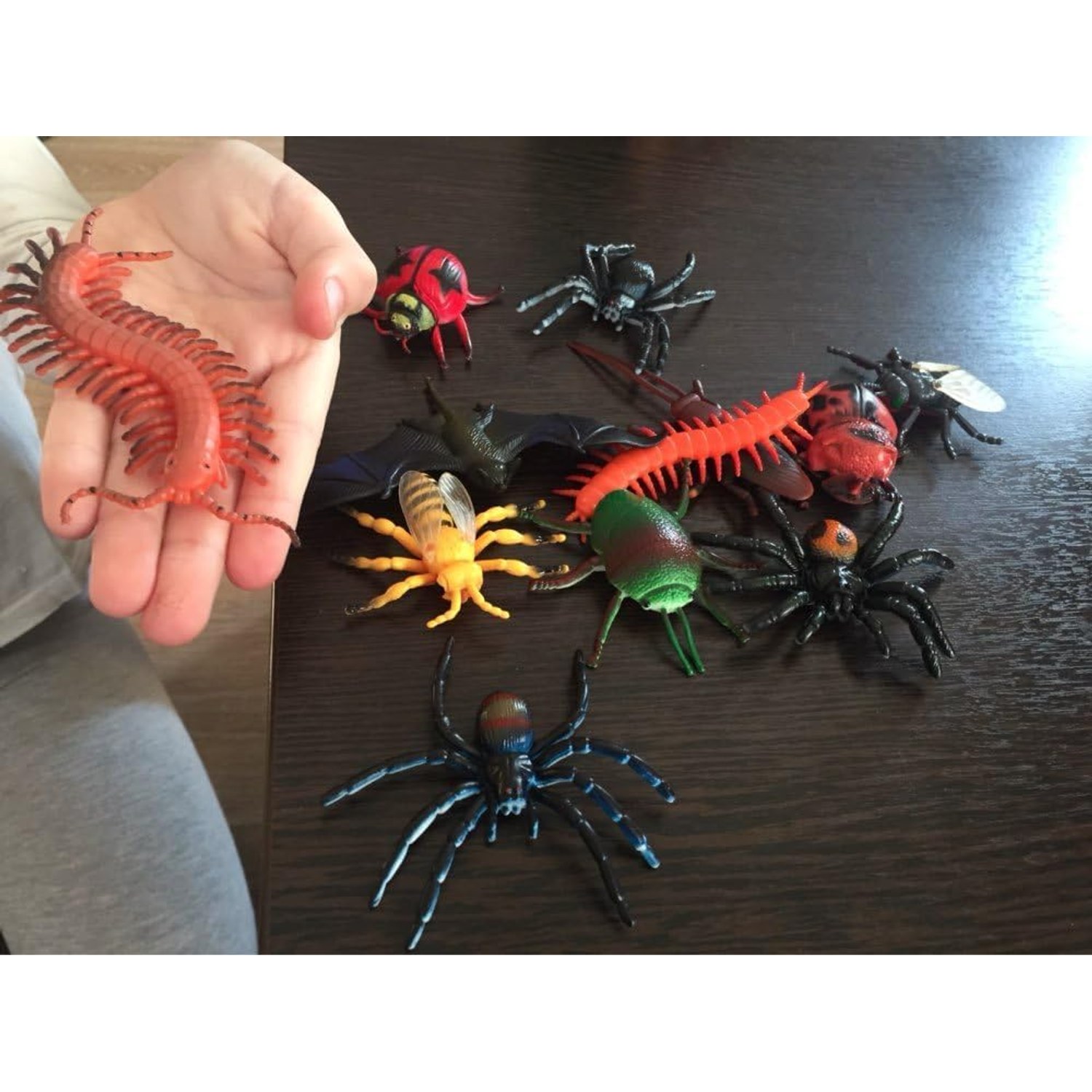
Sixteen different insect figures, each around two to three inches long, in assorted colours. The mix includes bees, flies, beetles, a spider, a centipede and other crawlers. The figures are plastic with a soft-touch feel, so they have a little give when squeezed rather than the hard snap you get from rigid moulded toys.
There is nothing to assemble, no batteries, no app and no instructions. You open the pack and the toy is ready. The whole thing weighs 150 g in a flat 24 x 16 x 1 cm package, which means it posts cheaply and wraps easily.
Why the variety matters more than the count
A lot of bug sets pad the piece count with repeats. Thirty pieces sounds impressive until you realize twelve of them are the same ant. Sixteen distinct species is more useful than thirty duplicates, because the whole point of a figure set is comparison.
When a child has a bee in one hand and a beetle in the other, you can ask simple questions. How many legs? Does it have wings? Is the body hard or soft? Where would you find this one? Those questions build the kind of observation habit that makes a child notice real insects outdoors instead of walking past them. You do not need a curriculum for that. You just need enough different bugs on the table at once.
Who this suits
The manufacturer lists ages 36 months to 5 years, and that bracket is about right for solo play. Three and four year olds will sort them by colour, line them up, give them names and stage elaborate rescues. Five and six year olds start asking the factual questions and want to know which ones bite.
Older kids are not out of the picture. Seven to ten year olds use figures like these for dioramas, habitat projects and school presentations, where the moulded detail photographs better than a drawing. Adults buy them too, mostly for cake decorating, party tables and Halloween, with no children involved at all.
The one group to be careful with is under threes. Two to three inch figures with thin legs are a choking risk for anyone still putting things in their mouth. The age rating is not a suggestion.
How to choose between bug sets
A few things are worth checking before you buy any insect figure set.
Size consistency. Some sets mix a realistic ant with a dinner plate sized spider. That is fine for fun, less good if you want kids to learn relative sizes. A set where most pieces fall in the same range, as these do at two to three inches, plays more consistently.
Material feel. Hard plastic figures survive being stepped on but hurt when thrown. Soft figures bend and are friendlier in a sensory bin or a pillow fight. This set is on the soft side, which generally suits younger children better.
Detail level. Look at whether the wings, legs and body segments are actually moulded or just painted on. Moulded detail holds up when the paint eventually wears, and it makes the figures useful as teaching models rather than just bright shapes.
Battery requirements. Anything that lights up or buzzes will eventually need a screwdriver and a tiny battery you do not have. Manual toys never run out. That is a small thing that matters a lot on day forty.
Getting more out of the set
The obvious play is a bug hunt. Hide all sixteen around a room or a garden bed and send kids off with a basket. It takes two minutes to set up and buys you a surprising amount of time.
Sensory bins are the next step. Bury the figures in rice, lentils, kinetic sand or plain soil, hand over a spoon and a sieve, and let the digging happen. If you do this with soil, wash everything afterwards.
For counting and sorting, tip them out and ask for groups. Flying versus crawling. More legs versus fewer. Dark versus bright. Each sort is a small logic exercise dressed up as a game.
Then there are the non play uses. Cake toppers for a bug themed birthday. Favour bags, one or two figures each. Easter basket filler. Halloween table scatter. A beetle balanced on a colleague's keyboard, if that is the sort of office you work in. None of this is what the set was designed for, and all of it works.
Care and keeping the set together
Cleaning is simple. A damp cloth and a drop of mild dish soap handles anything from fingerprints to sandpit grit. Rinse quickly, dry properly, done. Keep them out of the dishwasher, the microwave and the washing machine, because heat is what warps soft plastic.
Storage is where most sets fall apart, literally. Sixteen small figures scattered loose in a toy box will become eleven figures within a month. Give the set a home: a lidded container, a zip bag, a small tackle tray with compartments if you want to be organized about it. Make tidying up part of the play and you will still have all sixteen next year.
Check the figures occasionally for cracks, especially around thin legs and antennae. Any piece that has split should be retired rather than repaired, because sharp plastic edges and small children do not go together.
Where the limits are
Worth being clear about what this is not. It is not a scientifically accurate scale model set, and the proportions between species are not true to life. It is not an outdoor toy by design, since the listed usage is indoor, even though plenty of people take them to the garden anyway. And individual figure materials and the exact species list are not detailed in the maker's details, so the mix is assorted rather than guaranteed piece by piece.
For a toy at this price, none of that is surprising. It just helps to know going in.
The short version
Sixteen different insect figures, two to three inches each, soft plastic with real moulded detail, no batteries, rated for ages three to five. Good for imaginative play, better for early nature learning, and genuinely useful for parties, baskets and Halloween when the play phase moves on.
If you want one toy that covers a bug obsessed preschooler, a classroom activity and a birthday cake, this is a sensible pick. If you need museum grade accuracy or something for a one year old, look elsewhere.