Toy Warehouse
Company
Shop By Category
T&Cs
Shop Online
  • Box contents listed
  • Free tracked Canada-wide delivery over $125
  • 14-day returns

Giant Bugs Floor Puzzle 48 Piece | Floor puzzle for kids | Large insect jigsaw

Giant Bugs 48 Piece Floor Puzzle

$59.99 $71.99 Save $12
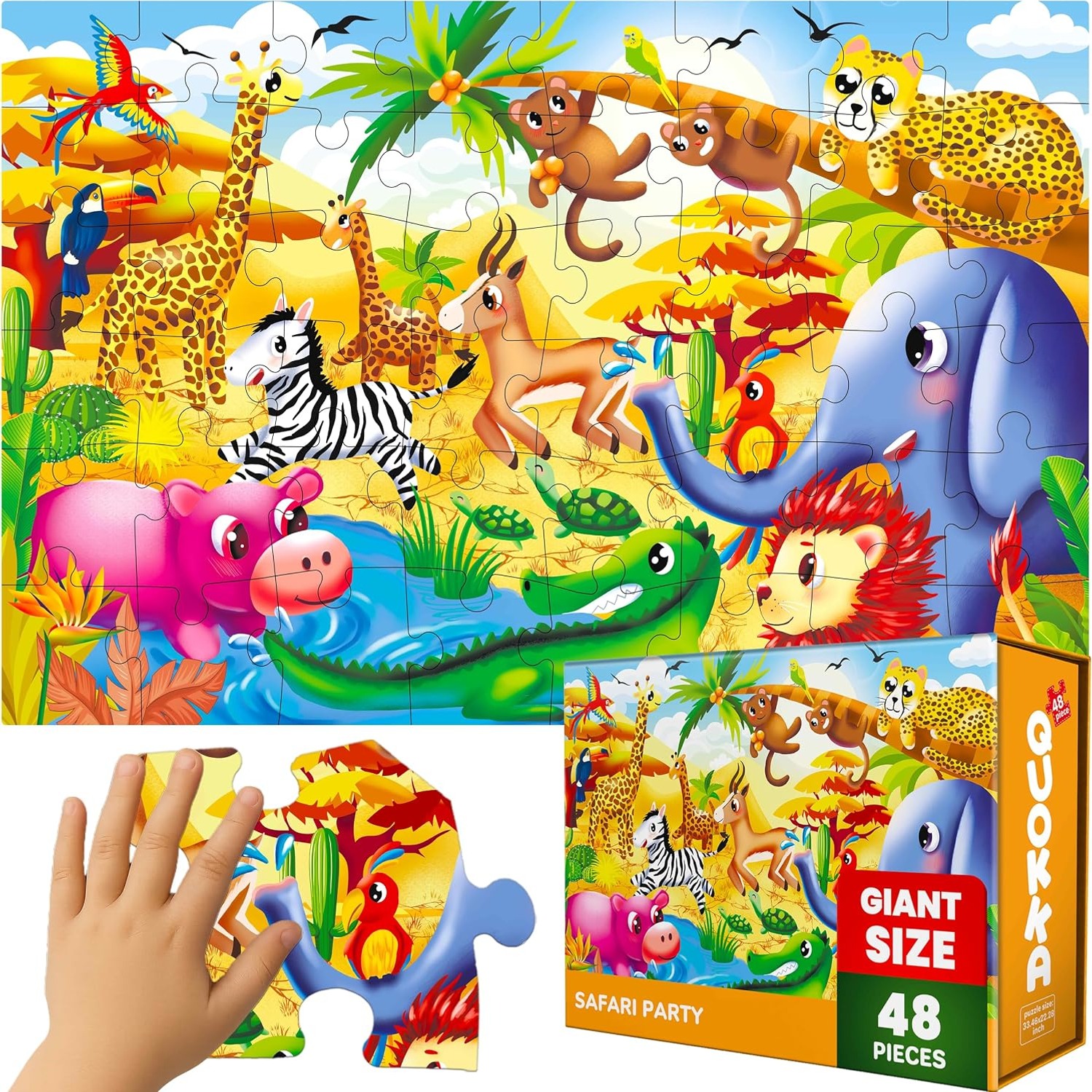
  • 48 Chunky Pieces
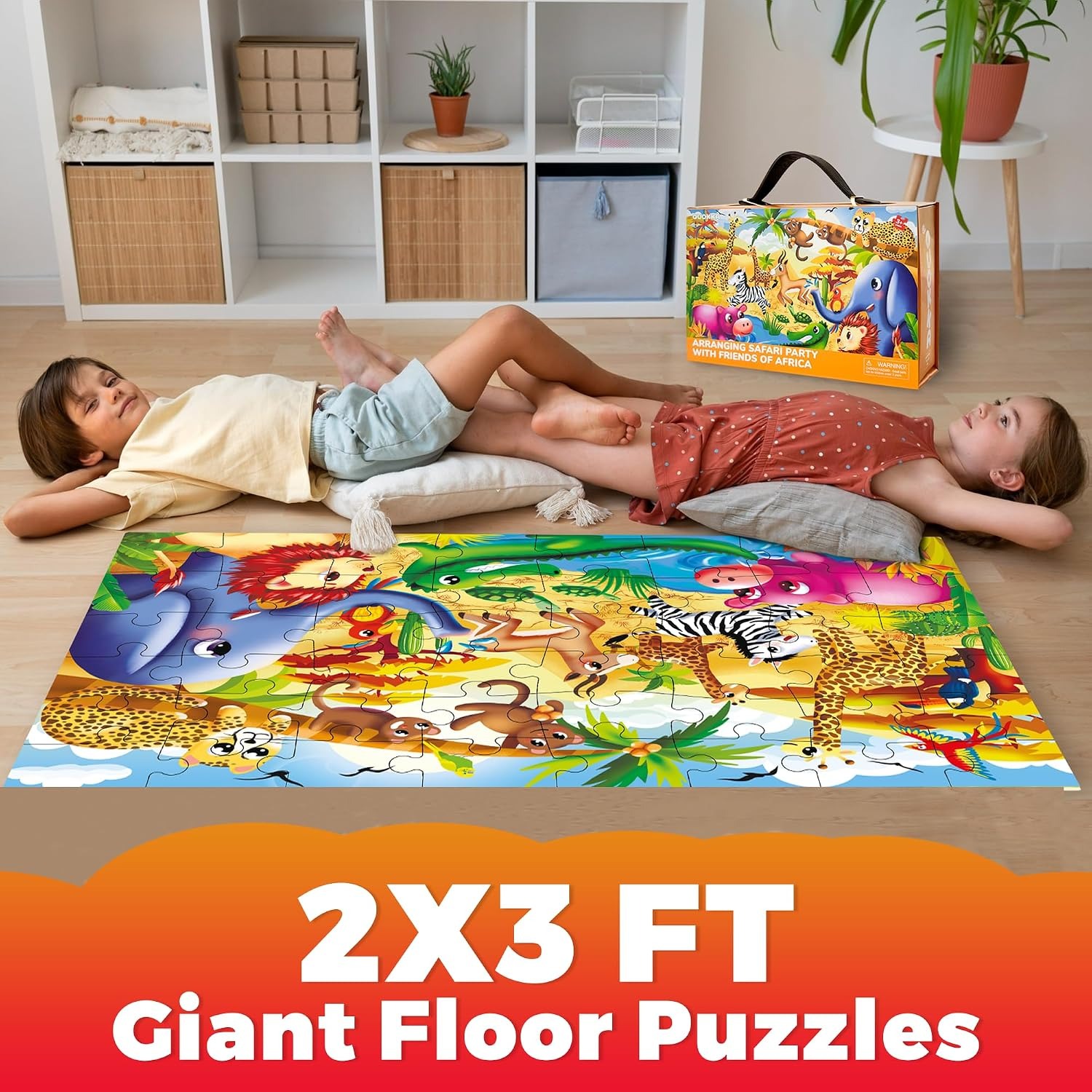
  • Big 90 x 60 cm Picture
  • Learning Through Play
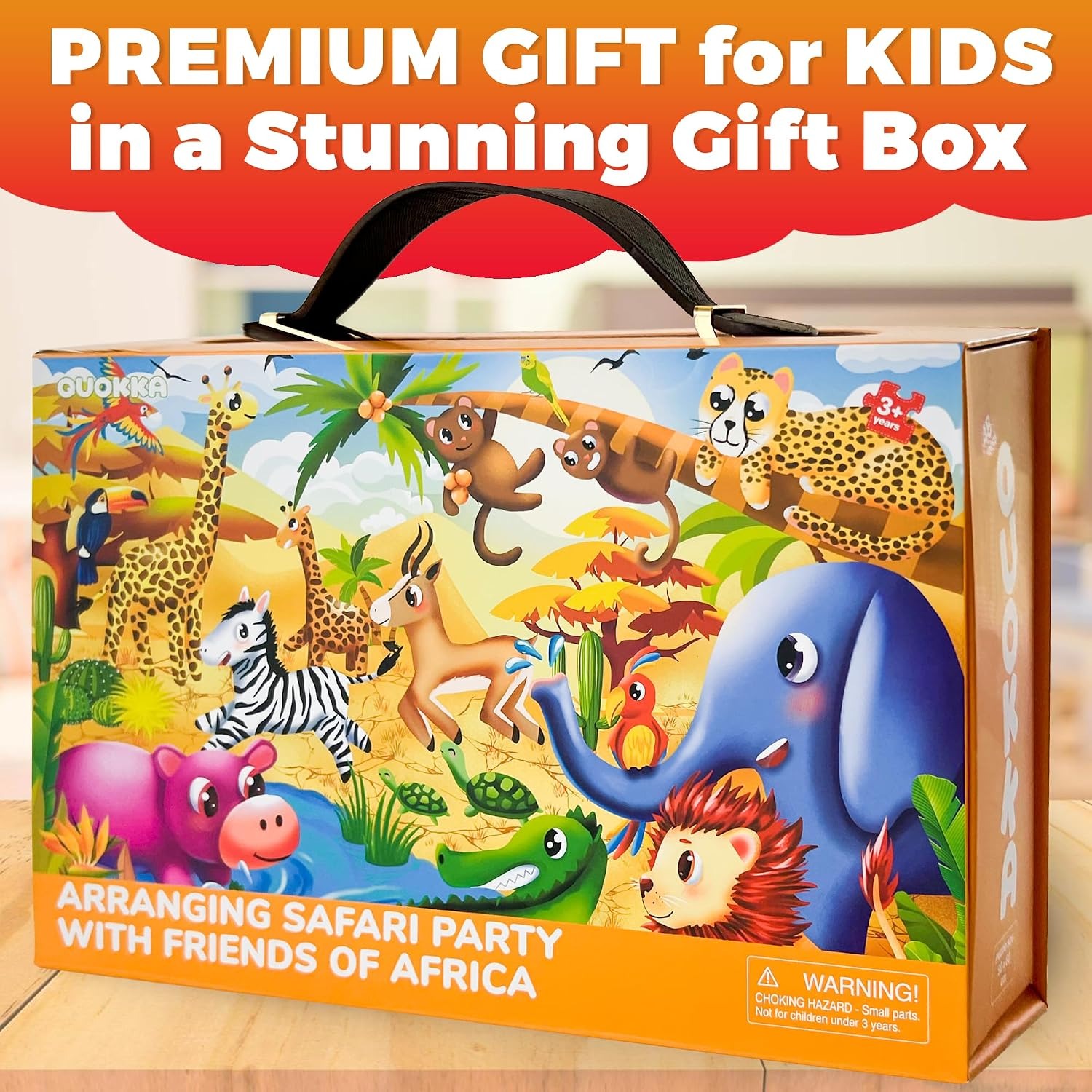
  • Tidy Boxed Set

Price: $59.99 $71.99

  • Free tracked Canada-wide delivery on orders $125+, otherwise a flat $18
  • Pay by card or PayPal, handled by the payment provider
  • 14 days to change your mind, plus your statutory rights
Product specifications
BrandQUOKKA
Model NumberQUA48GIANTA
Number Of Pieces48
Puzzle TypeJigsaw
Assembled Size90 cm long x 60 cm wide (about 24 x 36 inches)
Packed Dimensions9 x 24 x 0.1 cm
Item Weight971 g
Material TypeCardboard
Skill LevelBeginner
Recommended Age36 months to 10 years
Number Of Players1 to 4
Play LocationFloor
Indoor Or OutdoorIndoor
Operation ModeManual
Item ShapeRectangular
LanguageEnglish
Country Of OriginChina
Included ComponentsPuzzles
Unit Count1
Weight971 g
Shipping & returns

Tracked delivery anywhere in Canada. It is free on orders of $125 or more, and a flat $18 below that.

If it is not right for you, send it back within 14 days of delivery in resaleable condition and we refund the price you paid, including standard delivery. That is a voluntary policy we offer on top of your legal rights. You cover the cost of returning it unless the item is faulty.

If it arrives faulty, damaged or not as described, we put it right at no cost to you under the consumer protection law of your province or territory (for example the Ontario Consumer Protection Act, 2002), return postage included.

Shipping details · Refunds and returns

48 Chunky PiecesA beginner-friendly count that still gives a real sense of achievement.
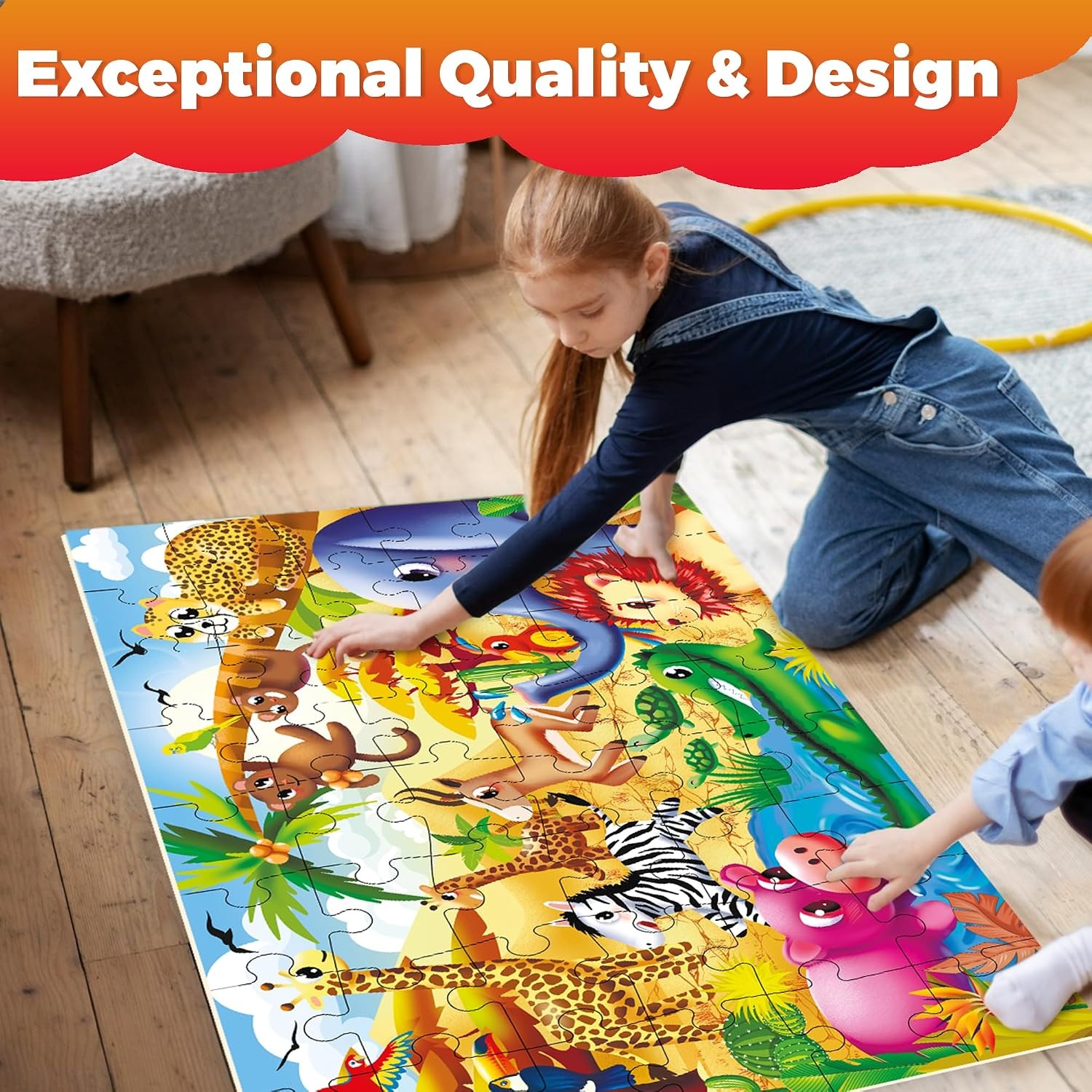
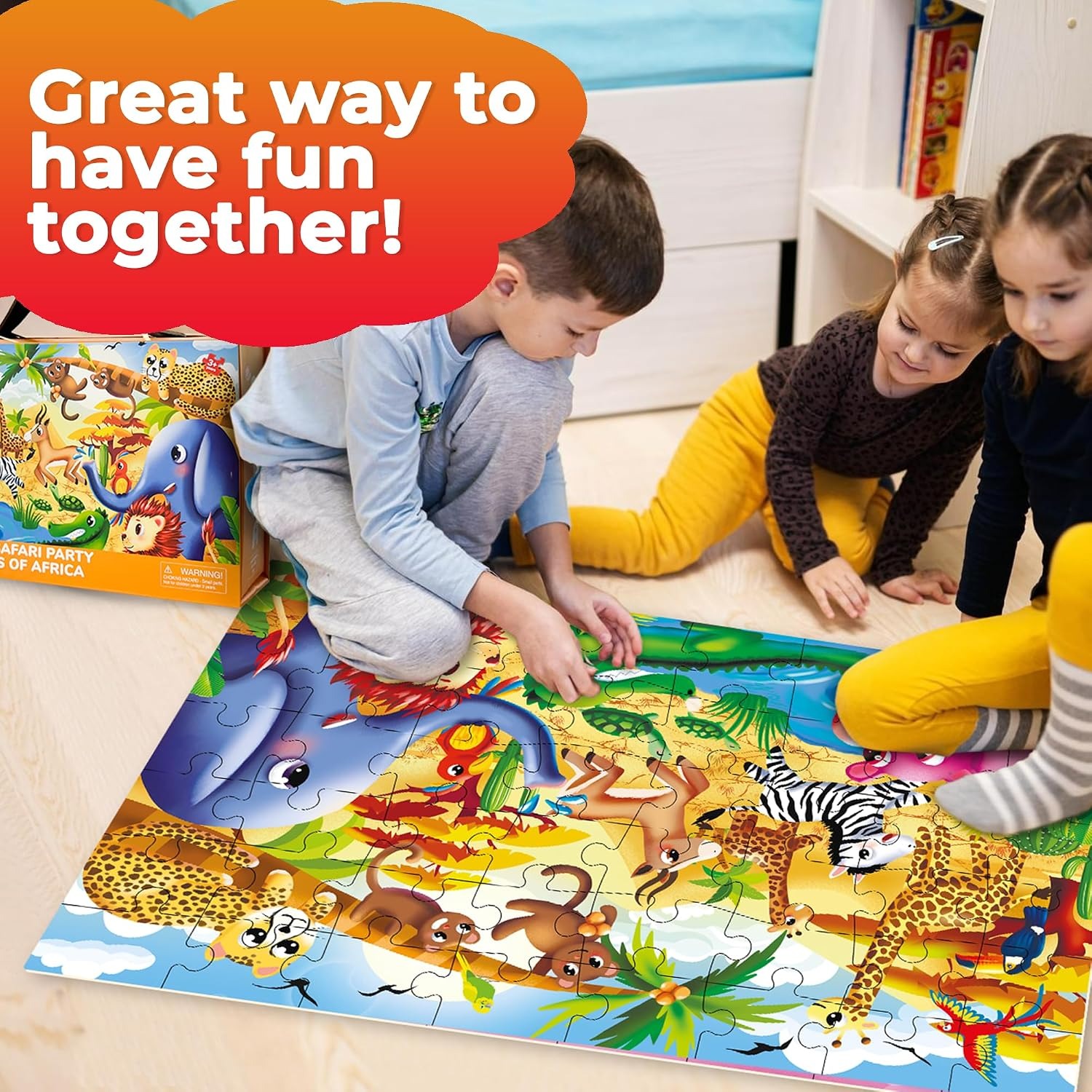
Big 90 x 60 cm PictureBuilds large enough for two or three children to work on at once.
Learning Through PlaySupports animal recognition and problem solving away from a screen.
Tidy Boxed SetPacks back into one slim box that slides onto a shelf.

A giant bugs floor puzzle 48 piece set that turns the living room rug into a morning of quiet, happy concentration.

Forty-eight chunky cardboard pieces build a 90 x 60 cm picture, big enough for two or three children to work on together while they practise shape matching, patience and animal recognition.

This 48 piece floor puzzle spreads out to roughly 90 x 60 cm, so it feels like a proper project rather than a quick tabletop job.

The piece count is pitched at beginners, which means a child can finish it without an adult quietly doing most of the work.

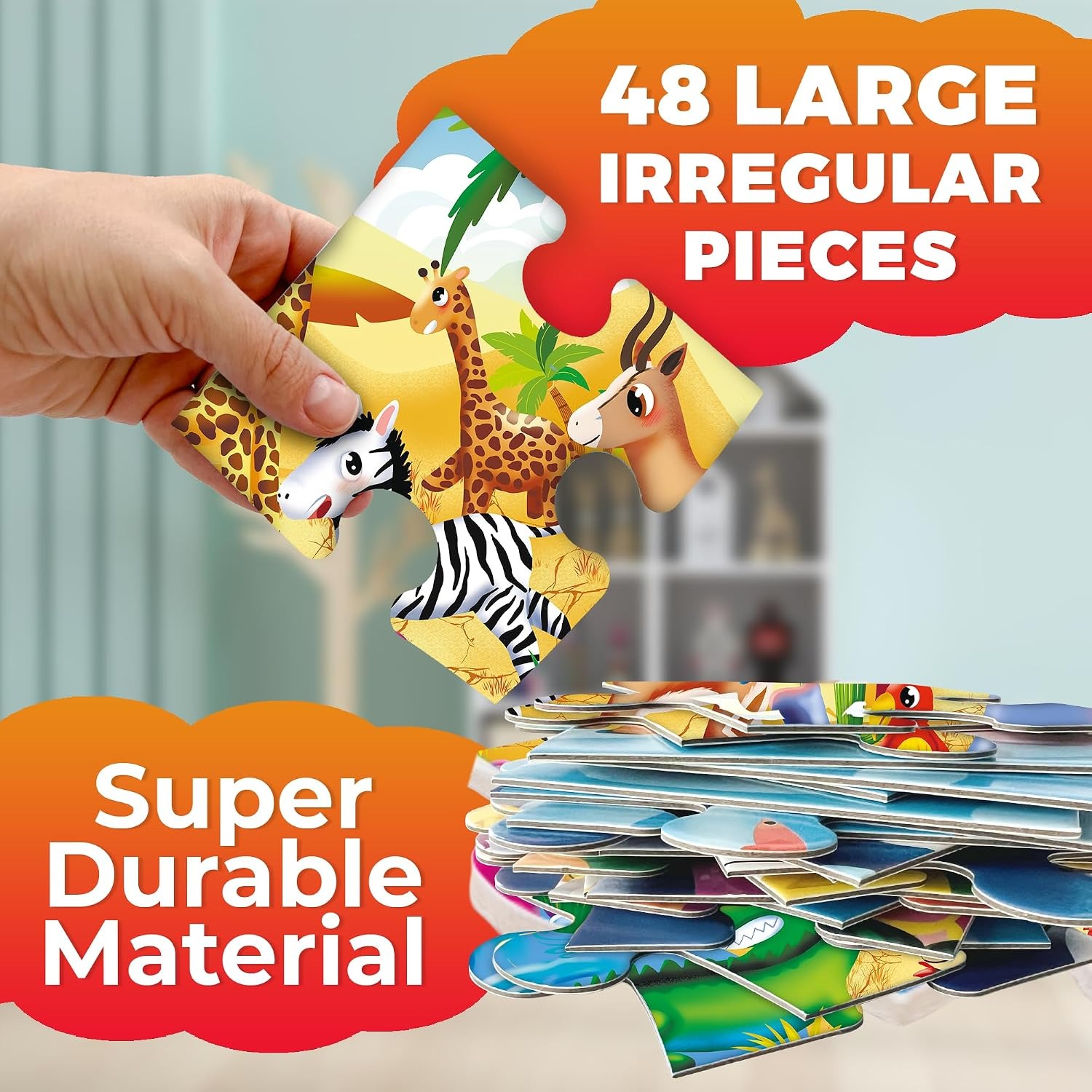
Cardboard construction keeps the pieces light and easy for small hands to pick up, turn and place.

QUOKKA lists the recommended age as 36 months to 10 years, covering preschoolers through to older siblings who want to race the clock.

Everything packs back into a single slim box, so the whole activity lives on one shelf between rainy afternoons.

Giant Bugs 48 Piece Floor Puzzle

Floor puzzles solve a specific problem. A small tabletop jigsaw asks a four year old to sit still at a table, hunch over tiny pieces and work in a space that is already crowded with cups and homework. A floor puzzle flips that around. The pieces are big, the space is the rug, and the child can lie down, kneel, walk around the picture and come at it from any side. This 48 piece set builds to about 90 x 60 cm, which is a generous amount of floor for one picture.

Giant Bugs 48 Piece Floor Puzzle

Forty-eight pieces sits in a useful sweet spot. Twelve or twenty-four piece puzzles get solved in two minutes and then lose their pull. A hundred pieces can defeat a preschooler and end in a quiet, frustrated pile. Forty-eight asks for real effort, usually fifteen to thirty minutes for a confident builder, and it rewards the strategies children are learning at this age, finding the corners first, sorting by colour, matching an edge before testing the fit.

Giant Bugs 48 Piece Floor Puzzle

The pieces are cardboard, light enough to lift and turn without force, and the shapes are varied so a child can tell them apart by outline as well as by picture. That matters more than people expect. When every piece looks the same, a child guesses. When shapes differ, they start to reason about which piece could possibly go where, and that is the skill that carries over into reading, math and building.

Giant Bugs 48 Piece Floor Puzzle

QUOKKA gives a recommended age of 36 months to 10 years. In practice a three year old will want a grown-up alongside them, a five year old will manage with a nudge on the tricky middle section, and a seven or eight year old will finish it solo and then try to beat their own time. That wide range is what makes a floor puzzle worth keeping. Younger siblings grow into it while older ones still enjoy it as a wind-down activity.

Giant Bugs 48 Piece Floor Puzzle

Storage is simple. The set arrives in one flat box measuring about 9 x 24 x 0.1 cm and weighing roughly 971 g, so it slides onto a shelf, into a cupboard or into a bag for a weekend at grandparents. There are no batteries, no app, no sound and nothing to charge, which is part of the appeal when a house is already full of things that beep.

Not sure yet? That is fine.

A toy has to suit the child it is for, and you cannot always judge that from a photograph. If it is not right for you, send it back within 14 days of delivery in resaleable condition and we refund the price you paid, including standard delivery. That is a voluntary policy we offer on top of your legal rights.

If it turns up faulty, damaged or not as described, that is on us. The consumer protection law of your province or territory covers you, and we pay the return postage. Read the full detail on our refunds and returns page, or ask us anything before you order.

Frequently Asked Questions

What exactly is included?

You receive one 48 piece cardboard jigsaw puzzle in a box. The listing records it as a single unit with one pack, and the included components are described simply as puzzles. There are no batteries, apps or extra accessories to set up.

How big is the finished puzzle?

The assembled picture measures about 90 cm long by 60 cm wide, which works out at roughly 24 by 36 inches. That is a decent stretch of rug, so clear a space before you tip the pieces out. It is one of the reasons people look for the best large floor jigsaw rather than a tabletop one.

How many pieces does it have?

Forty-eight. That count is deliberately chosen for beginners who have outgrown chunky twelve piece puzzles but are not ready for a hundred. It gives a real sense of achievement without turning into a long slog.

What age is this suitable for?

QUOKKA lists the recommended age as 36 months to 10 years. Three and four year olds generally enjoy it most with an adult nearby, while older children will finish it independently. It is often shortlisted as the best puzzle for 4 year olds for that reason.

Is 48 pieces too easy for a seven year old?

A seven year old will usually finish it without help, and that is not a bad thing. Many children at that age enjoy the speed of a puzzle they can master, and they often time themselves or race a sibling. If you want a longer challenge for an older child, look at higher piece counts instead.

What is the puzzle made from?

The material type is listed as cardboard. The attributes section of the maker does not specify a board thickness or finish, so we are not going to claim one. Cardboard keeps the pieces light and easy for small hands to handle.

How much does it weigh?

The item weight is 971 g, which is just under a kilogram. That makes it easy to carry in a bag to a friend's house or on a weekend away. The packed box measures about 9 x 24 x 0.1 cm.

Can more than one child build it at the same time?

Yes. The maker gives the number of players as 1 to 4, and a 90 x 60 cm picture gives two or three children room to work on different sections. Many families treat it as the best family floor puzzle for a quiet weekend hour.

Does it need a table?

No, and that is the point. The play activity location is listed as floor, and the picture is sized for a rug or hard floor rather than a dining table. A flat, clean surface is all you need.

What does it teach?

The stated educational objectives are animal recognition and problem solving skills. In practice children also practise visual matching, sorting, turn taking and patience. Those are the quiet gains that make people search for the best educational puzzle for preschoolers.

Is this a screen-free activity?

Completely. The power source and operation mode are both listed as manual, so there is nothing to charge, pair or update. Parents often buy it as the best screen free toy for kids who need a calm reset after a busy day.

Is it suitable for indoor use only?

Yes. The indoor and outdoor usage field lists it as indoor. Cardboard and damp grass are a bad mix, so keep it off the patio and away from the paddling pool.

How long does it take to build?

It varies with age and experience. A confident five or six year old often takes fifteen to thirty minutes, while a three year old working with an adult may take longer and need a break halfway. Repeat builds get quicker as the picture becomes familiar.

Will my child get bored after one build?

Most children rebuild a floor puzzle many times, especially when the picture is one they like. Younger siblings also grow into it over the years, which is why the 36 month to 10 year range matters. Rotating it out of sight for a few weeks makes it feel new again.

Can I frame or glue it once it is finished?

You can, using a standard puzzle glue from a craft shop, but it is worth thinking twice. Gluing ends the replay value, and the main appeal of a floor puzzle is building it over and over. If you do glue it, work on a protected surface and let it dry flat.

What is the skill level?

It is listed as beginner. That means the piece shapes and picture are designed to be readable by a child who is still learning puzzle strategy. It is a sensible step up for anyone hunting the best beginner jigsaw puzzle.

How should I store it between uses?

Put all 48 pieces back into the box after each session and keep the box somewhere dry. Sweeping under sofas and chairs before you pack up saves heartbreak later. The slim box fits a standard shelf or toy cupboard.

What happens if a piece gets lost or damaged?

One missing piece out of 48 is noticeable, so a careful pack-down each time is the best protection. Counting the pieces back into the box becomes part of the game for most children. If a piece is damaged in transit, get in touch and we will sort it out.

Can it be cleaned?

Lightly. Wipe a mark with a barely damp cloth and dry the piece flat straight away. Never soak cardboard or run it under a tap, because it will swell and warp.

Is it suitable for a child under 3?

The manufacturer's minimum age is 36 months, so it is not intended for children under three. Younger preschoolers are still at the stage of putting things in their mouths and the cardboard pieces are not designed for that. Stick to chunky wooden toys for that age group.

What theme is the picture?

This is the giant bugs and insect themed version, a large insect jigsaw designed to spark questions about creepy crawlies. Children who like bugs tend to stay with it longer because they want to name what they are building. It is a common pick when parents search for the best insect themed puzzle.

Is it good for a classroom or nursery?

Yes. A floor puzzle works well as a group activity station because several children can share it, and the 1 to 4 player range suits a small table group on the carpet. Many nurseries use one as the best puzzle for kindergarten free-play time.

Does it come with a poster of the finished picture?

The maker does not specify a reference poster, so we are not going to promise one. The picture on the box lid serves as the guide for most builders. Working from the lid is also good practice for visual matching.

Will it work on carpet?

It will. Carpet actually helps because the pieces grip rather than slide around. A short-pile rug is ideal, while deep shag can swallow pieces, so avoid that.

Does it make a good gift?

It gives well because it looks substantial, it is easy to wrap and it does not need batteries on the morning it is opened. Parents regularly rate it as the best gift puzzle for ages 3-5 for birthdays and class presents. The wide age range also means it will not be outgrown in a month.

Can I take it travelling?

Yes, within reason. The box is slim and the whole thing weighs 971 g, so it packs into a case or boot easily, which is why it comes up as the best travel friendly kids puzzle. You will just need a flat floor at the other end.

Where is it made?

The country of origin is listed as China. The manufacturer contact listed in the maker's details is Adducate Ukraine LLC and the brand is QUOKKA.

What are the shipping and delivery options?

Delivery is by tracked courier to any address in Canada. Allow 5 to 10 working days from the order date, and a little longer for rural, remote and northern addresses. Orders of $125 or more are delivered free, and smaller orders pay a flat $18.

What is the returns policy?

Yes. You can return it within 14 days of delivery if you change your mind, as long as it is unused and in its original packaging with everything included. You pay the return postage. Contact us first and we will send the return details.

What if it is not right for my child?

It happens. If 48 pieces turns out to be too easy or too hard, contact us within 14 days of delivery with your order number and we will help you return it or swap to a different piece count. A puzzle that does not fit a child's stage just sits in a cupboard, so there is no sense keeping one that misses.

How To Choose A Floor Puzzle For Kids

6 min read Toy Warehouse

The problem with most kids' puzzles

A lot of puzzles get opened once, half built, and then live in a cupboard with four pieces missing. Usually that is not the child's fault. It is a mismatch. The puzzle was either so simple it was finished before anyone sat down, or so hard that the child quietly gave up and wandered off to find a screen.

A floor puzzle fixes some of that by changing the physical setup. Instead of a small picture on a crowded table, you get a large picture on an open floor. The child can move around it, lie on their stomach, walk to the far side to check a shape. That freedom matters at three, four and five, when sitting still at a table for twenty minutes is genuinely hard work.

This set has 48 pieces and builds to roughly 90 by 60 cm. Those two numbers do most of the explaining. Big picture, manageable count.

Why 48 pieces is a useful number

Piece count is the single most important thing to get right, and it is the thing most people guess at.

Twelve to twenty-four pieces suits a two or three year old. It is a win every time, which is exactly what a very young child needs. But a four year old will finish it before the kettle boils and never ask for it again.

A hundred pieces or more is a different sport. It needs sustained attention, a strategy for the middle section, and tolerance for being stuck. Most children reach that around seven or eight, and plenty of them arrive there only after a lot of practice.

Forty-eight sits between the two. There is enough there that the child has to think. They need to find the straight edges, notice that one corner of the picture is mostly one colour, and work out that a piece can be rotated rather than abandoned. But the end is always in sight. Fifteen to thirty minutes of real work, then a finished picture on the rug that they can stand over and feel proud of.

That is why so many parents hunting for the best 48 piece puzzle end up here rather than buying up or down.

How a floor puzzle actually builds skills

The learning side of puzzles gets oversold, so let us be plain about what is really happening.

First, visual discrimination. The child is scanning a pile of similar-looking pieces for one specific colour, line or edge. That scanning skill is the same one used later for picking out letters on a page.

Second, spatial reasoning. Turning a piece in the hand, imagining whether it will fit before trying it, is early geometry. Children who do a lot of puzzles get noticeably faster at this.

Third, persistence. A puzzle gives a child a short, safe experience of being stuck and then unstuck. That loop is worth more than almost anything else in the box. They learn that being stuck is temporary.

The stated educational objectives for this set are animal recognition and problem solving. The animal side is real too. Children who build an insect picture often start asking what things are called, which is a better entry into a conversation about bugs than any worksheet. A large insect jigsaw gives them something concrete to point at.

Who this one suits

QUOKKA gives a recommended age of 36 months to 10 years, which is a wide band, so it helps to break it down.

At three, expect this to be a shared activity. Sit alongside, hand over pieces, point at the box lid. The child does the placing and feels the success, you do the quiet scaffolding.

At four and five, most children manage the edges on their own and need help with one stubborn middle section. This is the age where a floor puzzle becomes a go-to rainy afternoon fix, and where searches for the best floor puzzle for kids usually start.

At six and above, it becomes a solo job and often a timed one. Children at this stage like to rebuild something they already know because they can go fast. There is nothing wrong with easy wins.

Siblings of different ages can share it, since the picture is big enough for a few pairs of hands. The maker gives a player range of 1 to 4.

Choosing the right puzzle, in practice

A few things worth checking before you buy anything in this category.

Start with the piece count and be honest about your child's current level, not the level you would like them to be at. If the last puzzle they finished had 24 pieces, 48 is the right next step. If they are still struggling with 24, wait a few months.

Think about floor space. A 90 by 60 cm picture needs a clear area roughly the size of a bath towel, plus room around it for piles of pieces. Small flats can still manage this, but you may need to move a coffee table first.

Consider the picture itself. Children stay with a puzzle longer when they care about the subject. Bugs, animals, vehicles and maps all work well because they invite questions. A picture with large blocks of identical colour is harder than it looks, since there is nothing to match against.

Think about storage before the first build. Floor puzzles die by attrition, one piece at a time under the sofa. A box that closes properly and a habit of counting pieces back in will double the life of the set. This one packs into a slim box about 9 by 24 by 0.1 cm and weighs 971 g, so it stores and travels easily.

Finally, check the age guidance. Pieces of this size are not intended for children under three, and the manufacturer's minimum age here is 36 months.

Looking after cardboard

Cardboard puzzles are tough enough for daily use and completely defeated by water. Those two facts shape all the care advice.

Build on a dry, clean floor. Crumbs and sticky patches transfer onto the pieces and stay there. A quick sweep before you start is worth the ten seconds.

Keep drinks on a different surface. One knocked cup will swell the pieces and they will never sit flat again.

If a piece picks up a mark, wipe it with a cloth that is barely damp and lay it flat to dry. Do not scrub, and do not soak.

Pack everything away in the box, not in a toy basket. Loose pieces in a basket get bent, trodden on and lost.

Store somewhere dry. A cupboard, a shelf, under a bed. Avoid garages, sheds and anywhere that gets humid, because cardboard absorbs moisture from the air over time.

The short version

This is a 48 piece cardboard floor puzzle that builds to about 90 by 60 cm, aimed at children from 36 months to 10 years, with a beginner skill level and room for up to four builders. It needs no batteries and nothing but a patch of clean floor.

Pick it if your child has outgrown chunky preschooler puzzles and you want something that takes real effort without ending in tears. Pick something smaller if 24 pieces is still a challenge, and something bigger if they are already finishing 48 in five minutes.

Buy it, clear the rug, and leave them to it. The best outcome with any puzzle is the one where you look up twenty minutes later and the house is quiet.

Browse the shop

Not sure which piece count to pick?

Tell us your child's age and how much help they like having, and we will point you to the puzzle that will actually get built.

Ask us a question

Page summary

The Giant Bugs 48 Piece Floor Puzzle is a beginner-level cardboard jigsaw from QUOKKA, model number QUA48GIANTA. It has 48 pieces and assembles into a rectangular picture measuring about 90 cm by 60 cm (roughly 24 by 36 inches) for floor play. The packed item measures 9 x 24 x 0.1 cm and weighs 971 g. The manufacturer recommends it for ages 36 months to 10 years, and it suits 1 to 4 players working together. Stated educational objectives are animal recognition and problem solving. It is a manual, indoor, screen-free activity in English, made in China. Colour, material finish details and GTIN are not specified by the maker.